
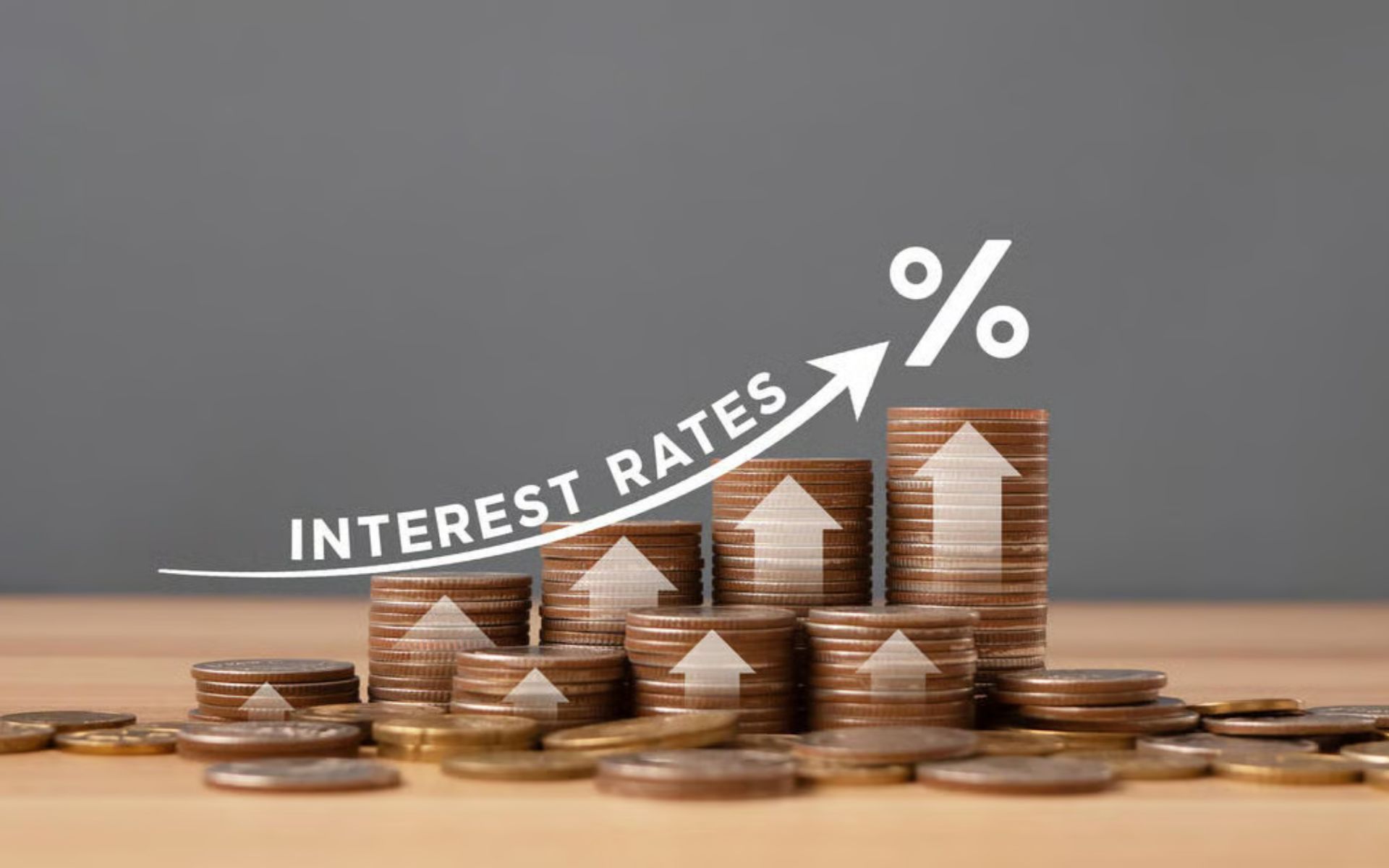
When it comes to purchasing a home, one of the critical factors that significantly influences affordability is the prevailing interest rate. The ebb and flow of interest rates can have a profound impact on the financial landscape for homebuyers. In this blog post, we'll explore the intricate relationship between interest rates and homebuyer affordability, examining how fluctuations in these rates can shape the decision-making process for those aspiring to step into homeownership.
The Basics: Understanding Interest Rates
Interest rates, set by financial institutions, determine the cost of borrowing money. When it comes to real estate, they play a pivotal role in determining the overall affordability of a home loan. Whether you're considering a fixed-rate or adjustable-rate mortgage, the interest rate you secure will significantly influence your monthly mortgage payments and the total cost of homeownership.
How Interest Rates Impact Affordability
Monthly Mortgage Payments
Interest rates directly impact the amount of interest paid on a mortgage. As rates rise, monthly mortgage payments increase, reducing the purchasing power of homebuyers. Conversely, lower interest rates translate into more affordable monthly payments, enabling buyers to qualify for a larger loan amount or potentially afford a higher-priced home.
Total Loan Cost
The long-term cost of homeownership is influenced by the total interest paid over the life of the loan. Higher interest rates result in greater overall expenses, while lower rates contribute to cost savings. Understanding the total loan cost is crucial for homebuyers planning for the financial implications of their investment.
Qualification Criteria
Affordability is intricately tied to a homebuyer's ability to qualify for a mortgage. Higher interest rates may increase debt-to-income ratios, making it more challenging for buyers to meet lender qualification criteria. Lower rates, on the other hand, enhance affordability by allowing buyers to qualify for larger loan amounts with more favorable terms.
Market Dynamics
Interest rates influence the broader real estate market dynamics. When rates are low, there is often increased demand for homes as buyers perceive affordability. This heightened demand can lead to increased competition and potential upward pressure on home prices, affecting affordability in the long run.
Navigating The Decision-Making Process
Prospective Homebuyers
For those in the early stages of considering homeownership, understanding the current interest rate environment is crucial. Monitoring market trends and consulting with a qualified mortgage professional can help prospective buyers make informed decisions about the optimal timing for their home purchase.
Current Homeowners
Existing homeowners can also be affected by interest rate fluctuations. Refinancing at lower rates can be a strategic move to reduce monthly payments and overall loan costs, enhancing financial flexibility and potentially unlocking funds for other financial goals.
Conclusion
In the complex tapestry of homeownership, interest rates emerge as a key determinant of affordability. The delicate balance between rates and homebuyer financial capacity underscores the need for careful consideration and strategic planning. Aspiring homeowners and current homeowners alike must stay attuned to market dynamics, seeking expert advice to navigate the intricate interplay between interest rates and affordability. Ultimately, a well-informed approach ensures that the dream of homeownership remains within reach, even in the ever-evolving landscape of interest rate fluctuations.